West Bengal, India
Kalighat
Kalighat painting is a 19th-century urban folk art from Kolkata, known for its bold brushstrokes, flat colour washes, and strong black outlines. Developed near the Kalighat temple, it depicted Hindu deities and later turned its sharp eye to social satire of colonial Bengal.
History
The Story Behind the Art
Kalighat painting was developed in the 19th century by the Patua community who migrated to Kalighat, Kolkata, to sell paintings to temple pilgrims. The urban environment created a new market and a new aesthetic — bold, rapid brushwork that could produce paintings quickly.
As Kolkata grew as a colonial city, Kalighat artists turned their attention to social satire, depicting corrupt priests, unfaithful wives, and colonial babus in witty, sharply observed compositions.
Kalighat paintings are now held in major museums worldwide including the Victoria and Albert Museum in London. The tradition has influenced artists from Jamini Roy to contemporary graphic artists.
Techniques
How It Is Made
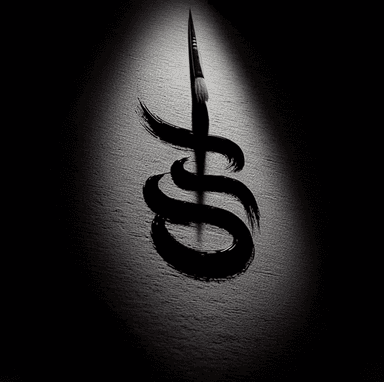
Kalighat paintings are created with broad, confident brushstrokes using watercolour or poster paint on paper. The technique is characterised by its economy — a few bold strokes define the entire figure, with flat washes of colour filling the forms.
Figures are depicted with simplified, rounded forms — particularly the faces, with their characteristic large almond eyes. There is no background or setting; figures float in white space.
Materials Used
- •Mill-made or handmade paper
- •Watercolour or poster paint
- •Black ink for outlines
- •Wide and fine brushes
You May Also Like
Bihar, India
Madhubani
One of India's oldest and most vibrant folk painting traditions, Madhubani art originates …
Explore →Tamil Nadu, India
Tanjore
Tanjore painting is a classical South Indian art form renowned for its rich colours, gold …
Explore →Maharashtra, India
Warli
Warli is a tribal art form from the Warli people of Maharashtra, characterised by simple g…
Explore →